
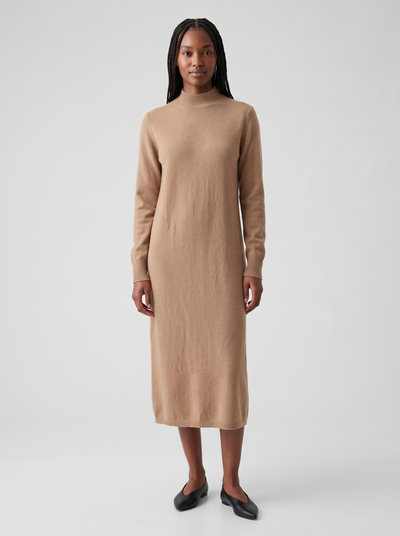
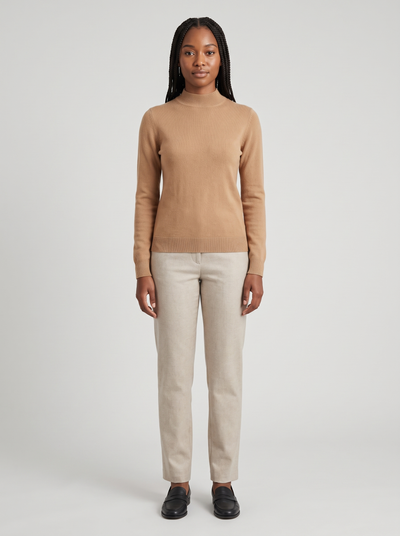



A sweater rarely shrinks because of the fabric alone. It shrinks because of heat, agitation and the way it is dried. Get those three right and most knitwear will keep its size and shape for many seasons. This guide covers hand washing, machine washing, drying, storing and pilling.
Before you start: always read the care label inside your sweater. It lists the exact fiber composition and the manufacturer's instructions, and those take priority over any general advice, including this guide.
How often should you wash a sweater?
Less often than you think. Knitwear does not usually need washing after every wear. If a sweater does not smell or have a mark, airing it overnight on a flat surface or the back of a chair is often enough. Wear a layer underneath to keep the knit cleaner for longer.
How to hand wash a sweater (the safest method)
- Fill a clean basin with cold water and add a small amount of mild detergent made for delicates. Mix it in before adding the sweater.
- Turn the sweater inside out to protect the outer surface.
- Submerge and press gently. Squeeze the water through the knit with flat hands for a minute or two. Do not rub, twist or scrub.
- Soak briefly, around 10 minutes is enough for a light refresh.
- Rinse in cold water until no more suds come out. Keep the water temperature the same as the wash: sudden temperature changes can affect some fibers.
- Press out the water. Never wring. Press the sweater against the side of the basin, then lay it on a clean towel, roll the towel up and press to absorb the rest.
Can you machine wash a sweater?
Only if the care label allows it. If it does, a few precautions make a big difference:
- Use the delicate or hand-wash cycle, cold water, and the lowest spin setting.
- Put the sweater inside out in a mesh laundry bag to reduce friction and snagging.
- Wash it with similar light items, never with jeans or towels.
- Skip bleach and use softener sparingly.
How to dry a sweater so it keeps its shape
This is where most sweaters are ruined. Two rules matter more than any others:
- Never tumble dry. The combination of heat and tumbling is the main cause of shrinking and felting.
- Never hang a wet sweater. The weight of the water stretches the shoulders and the length.
Instead, lay the sweater flat on a dry towel or a mesh drying rack, away from radiators and direct sunlight. Reshape it with your hands: straighten the seams, square the shoulders and pull the body and sleeves gently back to their original length. Turn it over once the top side is dry.

What to do if a sweater has shrunk slightly
If a sweater comes out a little smaller, you can sometimes ease it back. Soak it in lukewarm water with a small amount of hair conditioner for about 20 minutes, press the water out without rinsing, then lay it flat and gently stretch it back to size while it dries. Results depend on the fiber, and a sweater that has felted (become thick and matted) usually cannot be fully restored.
How to store sweaters
- Fold, don't hang. Hangers leave bumps in the shoulders and stretch the length over time.
- Don't overload the shelf. Heavy stacks crush the knit; keep the heaviest pieces at the bottom.
- Keep them clean and dry before storing for the season, in a breathable cotton bag or box rather than plastic.
How to remove pilling
Small balls of fiber can appear on any knit where there is friction, for example under the arms or where a bag strap rubs. Pilling is a normal effect of wear. Lay the sweater flat and remove the pills with a fabric shaver or a sweater comb, using light strokes. Washing inside out and avoiding rough surfaces helps reduce it.

Quick checklist
- Read the care label first.
- Cold water, mild detergent, no wringing.
- Machine only on a delicate cycle, in a laundry bag, if the label allows it.
- No dryer. Dry flat and reshape.
- Fold to store. De-pill with a comb or shaver.
For a printable version of these habits, see our knitwear care guide. And if you are shopping for new pieces, our sweaters and sweater dresses each list their care instructions on the product page.
FAQ
What water temperature should I use to wash a sweater?
Cold water is the safest choice for almost all knitwear. Warm and hot water increase the risk of shrinking.
Why did my sweater shrink in the wash?
Usually because of heat (hot water or the dryer) combined with agitation. Some fibers are more sensitive than others, which is why the care label matters.
How do I dry a sweater quickly without a dryer?
Roll it in a dry towel and press firmly to remove as much water as possible, then lay it flat on a second dry towel or a rack in a well-ventilated room.